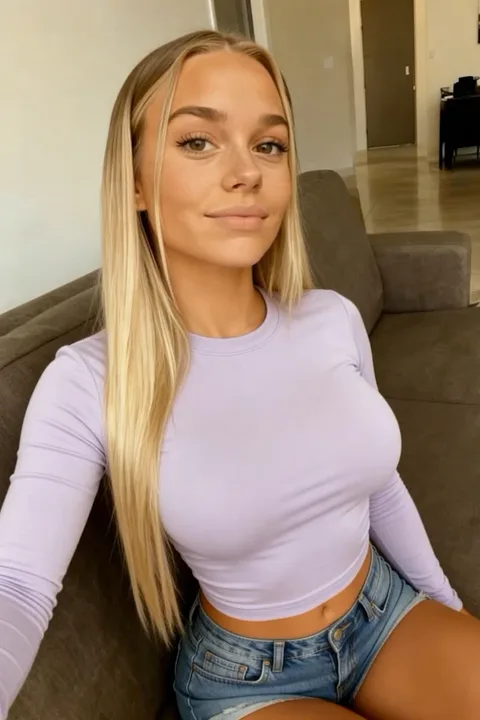
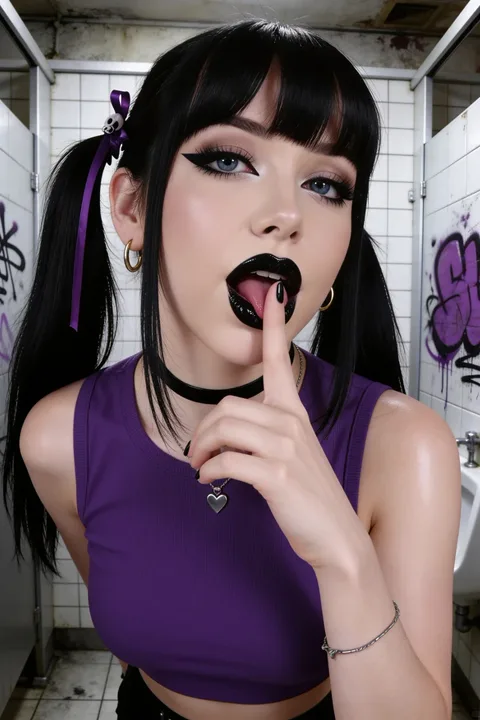
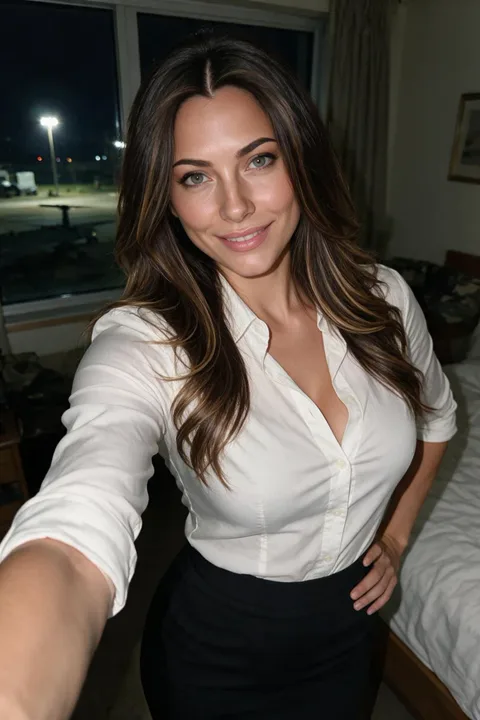
This catalogue discusses fictional adult companions and platforms intended for adults. You must be at least 18 years old to continue. The content is editorial, not a live chat service, and any interaction with a companion happens on the partner site under the partner's own rules.
Character Studio treats companion creation like a design brief rather than a vending machine. Six editing stations—appearance, personality, backstory, memory, media and voice—let you decide in layers before you commit credits. This independent guide is for people who want a Dondi companion with a specific face, a recognisable tone, a history that can be referenced, and a voice that fits. It is not a promise of quality. It is a way to ask better questions on the partner page, where current features, prices and limits actually live.
Treat companion creation as a design brief: appearance, personality, backstory and voice are four separate decisions, and most people only think about the first one.
Best for people who care about looks, backstory and tone more than raw feature lists. If you want one click and an immediate conversation, the studio format will feel like homework. The reward is a companion that feels authored rather than assembled. The cost is time, and some of the best decisions are the ones you make before you ever open the creation screen.
A character is built from layers, not from a single tap. This studio exposes six stations so you can see where a weak companion comes from and what to verify before you pay for credits. The stations are not a quality guarantee; they are a checklist for your own brief. Treat them as questions to ask on the partner page, because feature names, edit rules, memory behaviour and media costs belong to Dondi AI and can change without notice.
01
Appearance editor as the first station
Whether you can control more than hair colour and outfit: face structure, styling, body type and rendering style. The first station decides how specific your companion looks before personality enters the room. A deep appearance editor rewards patience, because small choices compound into a face you recognise. A shallow one may only offer presets that drift toward the same catalogue look. Ask whether saved presets exist, whether changes after creation are free, and whether the editor lets you lock a style instead of regenerating from scratch.
Appearance is the fastest thing to regret and the most expensive to keep regenerating.
What to verify before paying: Confirm whether appearance changes after creation are free or consume balance.
02
Personality and tone configuration
How a companion's default tone is set: sliders, tags, free-text description or a combination. This is where two visually identical companions become different people by day three. A free-text field can capture rhythm, humour and boundaries better than a row of preset moods, but only if the platform actually uses it. Tags and sliders are faster to learn and easier to compare. The studio asks you to write the tone in your own words first, then look for the control that gets closest to that description.
Tone is what makes two visually identical companions feel completely different by day three.
What to verify before paying: Check whether personality can be edited later or is locked in at creation.
03
Backstory and worldbuilding fields
Whether you can write the history your companion remembers, or only pick from preset backgrounds. Backstory is the raw material a memory layer needs to anchor. If you can type long-form history, decide which details matter: where they grew up, what they do, how they met you, what they refuse to talk about. Then test whether those details return in conversation. A long field that is never referenced is decoration. A short field that shapes replies is a working foundation.
Backstory is what a memory layer has to anchor to, and empty backstory produces generic conversation.
What to verify before paying: Verify that the backstory you write is actually referenced in conversation and not stored as decoration.
04
Memory engine expectations
How the platform describes continuity: what is stored, for how long, and whether it can be edited. The studio does not assume a perfect memory. It asks you to treat memory as a feature with visible rules. Can you see what your companion remembers? Can you correct it? Does memory reset between sessions or survive across weeks? A transparent memory panel is useful even when it is simple. An invisible memory is a gamble, because you cannot tell whether continuity is working or just being narrated.
An editable memory is a feature; an invisible memory is a gamble.
What to verify before paying: Look for a way to view and correct what the companion remembers about you.
05
Media studio output range
What the media side produces: stills, styled sets, short clips, and how each work is triggered. Media is often where credits move fastest, because every image or clip is a separate output. The studio asks you to separate creation from collection. First decide what you need: a consistent portrait style, scene images, or moving clips. Then read the cost per output type rather than per studio session. If style locking or reference images exist, they matter more than a long list of effects.
The media studio is usually where a balance disappears fastest.
What to verify before paying: Read the cost per output type rather than per studio session.
06
Voice casting and language range
How many voices exist, whether they can be swapped after creation and which languages are supported. Voice is the layer people leave until last, then notice every time the companion speaks. A good voice sells the character; a mismatched one breaks the illusion. Ask whether the voice can be changed without rebuilding the whole companion, whether languages match your actual conversation, and whether voice is included in the tier you are considering. The studio treats voice as casting, not decoration.
A good voice sells the character; a mismatched one breaks it every time it speaks.
What to verify before paying: Confirm whether voice can be changed later without rebuilding the character.
Six partner paths
Credit map
The comparison table below maps common companion needs to the studio layers that answer them. It is not a scorecard and it does not claim tested results. Use it to decide what to verify on the partner page: appearance depth, personality editing, memory visibility, backstory use, media cost and voice flexibility.
The Character Catalogue treats each companion as a build made of visible choices. Instead of listing every brand feature, it asks you to compare the same six stations across options. That keeps the focus on what you will actually notice after creation: how they look, how they talk, what they remember, what they produce and how they sound.
Before touching any editor, write four lines: how they look, how they talk, what they remember about you, and what they sound like. That brief is your filter for every preset you reject. Keep it short enough to remember and specific enough to test. If you cannot describe the tone in one sentence, the platform will decide it for you through defaults. The brief is not a contract; it is the studio's measuring stick.
Build in layers
Set appearance first, then personality, then backstory. Do not chase a voice until the other three match the brief, because voice is the layer you can usually adjust later. Changing appearance after you have written a history can feel like recasting a role. Changing personality after you have tested conversation can feel like starting over. The order is not a rule from Dondi AI; it is the order that keeps your own decisions visible.
Test the studio output
Ask one companion a question that only your backstory would answer. If the reply ignores it, the backstory layer is not doing the work you paid for. Then ask a second question that tests tone. A useful companion should not sound like every other one after the first exchange. The test is not scientific. It is a quick way to see whether your brief survived contact with the actual chat, before you spend more credits.
Lock the build on the partner page
Take the final brief to the Dondi member page and confirm which edits stay free, which consume balance, and what the current creation limits are. The studio cannot lock anything for you. Prices, tiers, memory behaviour and media costs belong to the partner. Your job is to arrive with a clear brief, a shortlist of must-haves, and a willingness to walk away if the current terms do not match the companion you designed.
Where Your Credits Go
Need
Look for
Trade-off
I want a companion that looks specific
Layered appearance controls with saved presets
Deep editors take real time to learn and reward patience over speed
I want a distinct personality
Free-text tone description plus editable traits
Preset personalities are faster but converge on the same voice over time
I want continuity across weeks
A described memory engine with visible history
Rich memory is usually tied to higher tiers or heavier usage
I want my own backstory respected
Long-form backstory fields and evidence they surface in chat
Long inputs are not always long context, and short context forgets fast
I want images in the same style every time
Style locking or reference images in the media studio
Locking style constrains variety, which is exactly the point
I want to experiment cheaply
What creation and re-editing cost on the entry tier
Free creation often comes with restricted media or limited voice
Studio Fine Print
This is an independent editorial blueprint. Feature names, tier limits and pricing belong to the partner and can change at any time.
All characters and personas described are fictional adults.
Editor depth does not guarantee output quality; a long form does not automatically mean a better companion.
Some creation and editing actions may be irreversible or balance-consuming; confirm before you commit a build.
We may receive a commission from sign-ups through links on this page.
Frequently asked questions
Do I need to be good at design to use a studio layout?
No. The layout exists to make the four layers obvious, not to make creation difficult. If you only care about appearance, you can ignore the other three stations. If you only care about conversation, start with personality and backstory. The studio is a way to organise your own preferences, not a test you can fail.
Can I change a character after creating it?
That depends entirely on the partner and on your tier. Check edit behaviour on the member page before you invest in a detailed build. Some platforms allow free text changes but charge for appearance changes. Others lock the character once created. The studio cannot answer this for Dondi AI because the rules are set by the partner and can change.
Is a written backstory actually used?
Test it directly. Ask something only your backstory answers and see if it comes back. If it does not, treat the field as cosmetic. A backstory can still be useful to you as a design exercise, but it should not be the reason you pay for a higher tier unless the companion references it in conversation.
Which layer should I spend most time on?
Personality and backstory, because they are the hardest to fix later and the ones you notice after the visual novelty fades. Appearance gets you into the room. Tone and history decide whether you stay. Voice is important but usually easier to swap. Media is the most credit-hungry and the least essential to a first build.
Does the studio guarantee a consistent art style?
No editor can. Look for style locking or reference-image features if consistency matters to you, and expect some drift in long runs. Consistency is a platform capability, not an editorial promise. The studio can only tell you what to look for before you spend. If the partner does not mention style locking, assume the style will vary.
Who is this format not for?
People who want a single tap and an immediate conversation. The studio trades speed for control, and that trade is deliberate. If you enjoy presets, fast starts and discovering a character through chat, the layered approach may feel slow. If you enjoy casting, writing and refining, the six stations give you a place to begin.